

As businesses increasingly rely on digitized documentation, the distinction between Optical Character Recognition and artificial intelligence becomes vital. while OCR transforms images of text into editable formats, many wonder if this technology qualifies as AI. Understanding this relationship is crucial for leveraging OCR effectively and enhancing digital workflows in today’s facts-driven world.
What Is Optical Character Recognition and how Does It Work?
Understanding Optical Character Recognition (OCR)
Did you know that Optical Character Recognition (OCR) can transform your pictures of documents into editable text within seconds? This revolutionary technology is not just a convenience; it enhances productivity across various sectors, from education to finance. At its core, OCR involves converting different types of documents, such as scanned paper documents, PDF files, or images captured by a digital camera, into machine-readable and editable text format.
OCR leverages advanced algorithms and machine learning to identify letters and words by analyzing the images of text. The process generally consists of several steps:
- Image Preprocessing: Enhancing the quality of the image to improve accuracy. This may include converting to grayscale, denoising, or adjusting contrast.
- Text Detection: Locating areas in the image that contain text.
- Character Recognition: Using pattern recognition techniques to convert identified text regions into corresponding letters and numbers.
- post-Processing: correcting errors based on context, language rules, or dictionary look-ups.
How Does OCR Work?
The functionality of OCR can be broken down into a systematic approach. When an image is fed into an OCR system, the first step involves analyzing the layout of the document and detecting blocks of text. This is followed by recognizing characters by comparing them to a vast library of text patterns. The more extensive and diverse the training data, the more accurate the OCR system becomes.as an example, modern OCR technologies often integrate with Artificial Intelligence (AI) to enhance accuracy, especially when dealing with handwritten texts or unusual fonts. Some systems even perform natural language processing to gauge the context of the text, further reducing errors. Understanding how OCR intersects with AI is vital when considering its applications in various fields, as it bridges the gap between traditional input methods and efficient digital processing.
Real-World Applications of OCR
The practical applications of OCR are vast and include:
- Document Digitization: Institutions like libraries and universities use OCR to convert their physical archives into searchable digital formats.
- Automating Data Entry: Businesses utilize OCR to streamline data extraction from invoices and forms, reducing manual entry time and errors.
- Accessibility Features: OCR technology helps convert written content into speech or text, making information more accessible to individuals with vision impairments.
With the continual advancements in OCR technology, organizations can enhance efficiency and improve information accessibility, demonstrating how OCR, intertwined with AI, plays a pivotal role in modern data management and processing.
The Evolution of OCR Technology: From Basic Scanning to AI Integration
The Change of OCR: A Journey from Simple Scanning to Smart Solutions
The story of Optical Character recognition (OCR) technology is one marked by innovation and adaptation.Initially, OCR systems were rudimentary, reliant on simple algorithms to interpret typed or printed text from scanned images. Such systems were limited to specific fonts and layouts, making them less versatile for practical applications. However, as digital storage needs grew, so too did the demand for enhanced OCR capabilities, propelling the technology into a new era.
Over the decades, OCR has evolved considerably due to advancements in computing power and machine learning techniques. Early systems could only process standard printed text,but with the introduction of machine learning and artificial intelligence,contemporary OCR solutions can now decipher a myriad of fonts,handwriting,and even complex layouts.This shift not only increased accuracy but also expanded the scope of applications. As an example, today, businesses utilize OCR for everything from digitizing ancient archives to automating invoice processing, saving time and reducing human error.
In the current landscape, AI integration has become a game-changer in the realm of OCR technology. Modern OCR systems leverage deep learning algorithms that allow them to learn from vast datasets, greatly improving their ability to recognize text in varied contexts.This means that even in environments with poor lighting or unusual document formats, AI-powered OCR can deliver reliable results. Moreover, the flexibility of modern OCR enables seamless integration with other technologies, such as natural language processing (NLP) and robotic process automation (RPA), paving the way for richer data extraction and processing workflows.
To illustrate the growth and impact of OCR technology, consider the following table:
| era | Technology | Key Features | applications |
|---|---|---|---|
| Early 1970s | Basic Scanning | Limited font recognition, manual verification | Data entry, document handling |
| 1990s | Pattern Recognition | Improved accuracy, introduction of machine learning | Archiving, business records |
| Today | AI Integration | handwriting recognition, layout analysis, context understanding | Automated workflows, advanced data analysis |
As we continue to probe the potential of OCR technologies, the question “Is OCR AI?” remains relevant. The answer lies in understanding that although OCR began as a basic data capture tool, its evolution has been driven by AI advancements that enhance its capabilities and transform its applications in our increasingly digital world.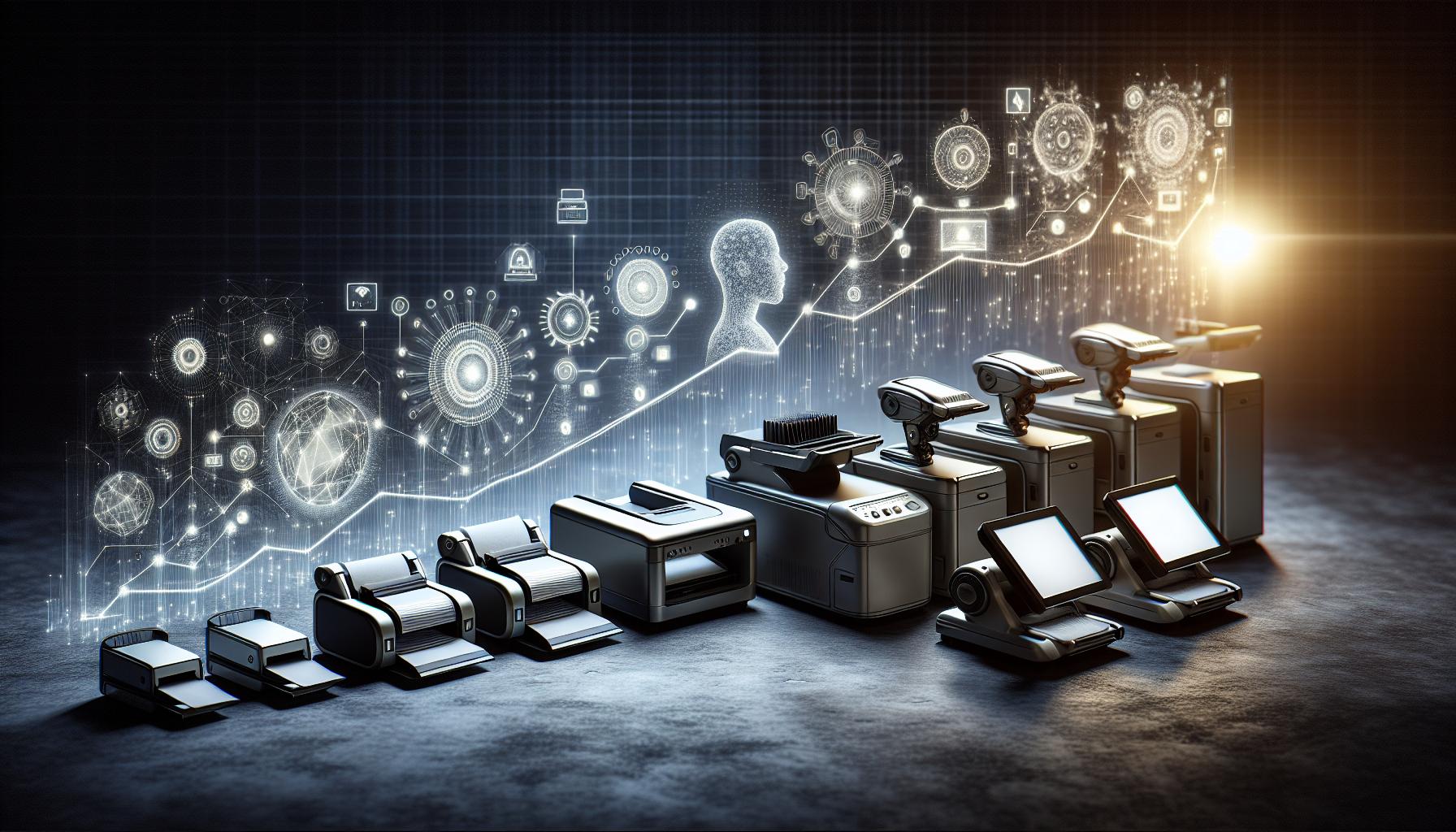
Distinguishing Optical Character Recognition from AI: What’s the Difference?
Understanding the Distinction: OCR vs. AI
When we think about technology that reads text, it’s easy to conflate optical Character Recognition (OCR) with Artificial Intelligence (AI).In reality, these are distinct concepts that serve complementary roles in the digital processing landscape.OCR fundamentally refers to the process of converting various types of documents, such as scanned paper documents, PDFs, or images captured by a digital camera, into editable and searchable text formats. This technology enables machines to recognize and interpret characters from various sources, making it a critical tool for digitizing information and automating data entry [[1](https://www.geeksforgeeks.org/what-is-optical-character-recognition-ocr/)].
On the other hand, AI encompasses a broader range of technologies that simulate human intelligence. While OCR can be seen as a specific application of AI, particularly within machine learning frameworks, it doesn’t embody the full potential of AI technologies. for example, AI includes capabilities such as natural language processing (NLP), predictive analytics, and decision-making that go beyond simply recognizing text. Thus, while OCR may leverage AI to improve accuracy and efficiency, especially when dealing with complex handwriting or various fonts, it remains fundamentally a reactively programmed technology [[2](https://en.wikipedia.org/wiki/Optical_character_recognition)].To clarify the relationship and differences between OCR and AI, consider the following comparisons:
| Aspect | OCR | AI |
|---|---|---|
| Definition | Technology for converting images of text into machine-readable text. | Broad field of computer science focused on creating systems that mimic human intelligence. |
| Application | Primarily used for text recognition and data extraction. | includes various applications such as image recognition, speech recognition, and more. |
| Complexity | Usually involves straightforward image processing. | Involves complex algorithms, learning systems, and adaptability. |
| Output | Text format. | Can include predictions,classifications,and decision support systems. |
In practice,many modern OCR systems incorporate AI to enhance their functionality. For instance, machine learning algorithms can better account for variations in fonts and handwriting, thereby increasing the accuracy of text recognition. Yet, this evolution does not transform OCR into AI; rather, it highlights how the integration of AI can refine the processes behind optical character recognition. As you explore the question, “is OCR AI? Understanding Optical Character Recognition Technology,” it’s clear that while these technologies intersect, each maintains its unique attributes and implications for the future of data processing.
Real-World Applications of OCR: Transforming Industries with AI
Did you know that businesses can reduce data entry time by up to 80% through the implementation of Optical Character Recognition (OCR)? This fascinating technology is not just a text conversion tool; it’s a transformative force across numerous industries, enabling organizations to streamline operations and enhance productivity.
Enhancing Efficiency in Various Sectors
OCR has found its place in several sectors, catering to specific needs and enhancing operational efficiency. Below are a few key industries benefitting from this advanced technology:
- Healthcare: Patient records and handwritten prescriptions are quickly digitized, allowing for faster access to information and improved patient care.
- Finance: Banks use OCR to automate the extraction of data from checks, invoices, and documents, significantly reducing processing times and minimizing human error.
- Retail: Inventory management systems utilize OCR to track stock more accurately, ensuring optimal stock levels and reducing losses.
- Legal: Billable hours and document reviews are expedited through OCR, enabling legal firms to manage large volumes of paperwork efficiently.
- Education: Educational institutions leverage OCR to digitize textbooks and handouts, making information more accessible to students and reducing the use of paper.
Revolutionizing Document Management
The integration of OCR technology into document management systems has revolutionized how businesses interact with their physical documents. Traditional paperwork is being transformed into searchable digital formats, which not only saves physical space but also improves the retrieval process. Take a look at how OCR can enhance document management:
| Feature | Benefits |
|---|---|
| Searchable PDFs | Quickly locate documents using keywords, drastically cutting down search times. |
| Batch Processing | Convert numerous documents together, saving hours of manual entry. |
| User Access Control | Manage who can view, edit, or share documents, enhancing security. |
Driving Innovation with AI
As OCR technology evolves, the integration of Artificial Intelligence (AI) has added another layer of capability. Modern OCR systems are not merely recognizing characters; they are learning and adapting. As a notable example,machine learning algorithms can analyze various fonts,handwriting styles,and even recognize contextual cues to improve accuracy over time. Businesses are now empowered to:
- Identify and extract key data from complex documents using AI-enabled OCR.
- Implement automated workflows, reducing manual intervention and the associated costs.
- Gain insights from historical data, enhancing strategic decision-making.
by embracing the potential of OCR coupled with AI, industries are not just optimizing operations, but are also paving the way for innovative solutions that redefine how they interact with information.
The Role of Machine Learning in Enhancing OCR Accuracy
Transforming Text Recognition Through Machine Learning
The evolution of Optical Character Recognition (OCR) technology has been significantly bolstered by the advent of machine learning.Traditional OCR systems, while functional, often struggled with varying fonts, distorted text, and complex backgrounds, leading to accuracy limitations. However, by integrating machine learning algorithms, OCR systems can now adapt and learn from vast datasets, enhancing their ability to comprehend and process text accurately across diverse scenarios. This dynamic learning capability allows modern OCR solutions to achieve higher precision rates, making them invaluable in applications ranging from document digitization to automated data entry.Machine learning models employ techniques such as convolutional neural networks (CNNs) and recurrent neural networks (RNNs) to improve the feature extraction process. These systems can analyze pixel patterns and contextual information, allowing them to differentiate between characters even when they are presented in various layouts or styles. The training process involves feeding the model thousands of annotated images,enabling it to recognize and interpret characters with remarkable accuracy. As it processes more data,the model continues to refine its understanding,reducing errors and enhancing reliability.
Key Benefits of Machine Learning in OCR
- Improved Accuracy: Enhanced recognition of distorted or stylized fonts.
- language Adaptability: Better support for multiple languages and scripts.
- Contextual Recognition: Ability to use surrounding text for disambiguation.
- Reduction of Manual corrections: Decreased need for post-processing and human intervention.
Implementing machine learning in OCR not only streamlines the digitization process but also opens new possibilities for automating workflows in various industries, such as finance, healthcare, and legal fields. By leveraging advanced data processing capabilities, organizations can enhance efficiency, reduce costs, and ultimately harness the full potential of their data. As the landscape of “Is OCR AI? Understanding Optical Character Recognition Technology” continues to evolve, embracing machine learning will undoubtedly pave the way for smarter and more effective text recognition solutions.
Ethical Considerations in OCR Technology: privacy and Data Protection
Understanding the Ethical Landscape of OCR Technology
As Optical Character Recognition (OCR) technology continues to advance, its implications for privacy and data protection become increasingly meaningful. With the ability to convert textual information from various formats such as images and PDFs into machine-readable text, OCR opens up amazing opportunities for data accessibility. However, it also raises profound ethical concerns, primarily focused on how sensitive information is handled.
One of the critical ethical considerations in OCR technology pertains to user consent and the handling of personal data.When organizations implement OCR, they frequently enough process documents that may contain personally identifiable information (PII), such as financial records, medical documents, and government files. Failing to obtain explicit consent from individuals whose data is being scanned and digitized can lead to severe privacy violations. Companies must implement robust data protection measures and secure user consent to not only comply with regulations like GDPR but also to foster trust with their users.
Best Practices for Ethical OCR Implementation
To mitigate the potential risks associated with OCR technology, organizations can adhere to the following best practices:
- Data Minimization: Only collect and process data necessary for the specific purpose at hand. By reducing the amount of sensitive information processed, companies can significantly lower the risk of breaches.
- Encryption: Use strong encryption methods for storing and transmitting data. This protects sensitive information from unauthorized access during and after the OCR process.
- Anonymization: Where possible, anonymize the data to remove identifiable information before processing.This approach reduces the risks associated with handling PII.
- Regular Audits: Conduct regular audits of systems and processes to ensure compliance with privacy laws and internal data protection policies.
While the excitement surrounding OCR technology’s capabilities can overshadow concerns regarding privacy and data protection, it is vital to consider the ethical implications seriously. Organizations must recognize that with the power to digitize information comes a responsibility to protect it diligently. By prioritizing ethical considerations, businesses can leverage International OCR technology safely and responsibly, ensuring that they not only enhance operational efficiencies but also maintain the trust of their customers.
Future Trends in OCR and AI: What’s Next for Optical Character Recognition?
The Evolution of OCR technology
As businesses increasingly rely on digitization,the demand for advanced Optical Character Recognition (OCR) technology is surging. Modern applications of OCR go beyond mere text extraction; they are evolving to integrate artificial intelligence (AI) to improve accuracy, speed, and usability. This intersection of OCR and AI prompts a fascinating question: Is OCR AI? Understanding Optical Character Recognition Technology encompasses both the tools and techniques that will shape its future.
Integrating Machine Learning for Enhanced Accuracy
The future of OCR will likely see a greater reliance on machine learning algorithms that meticulously learn from vast datasets to improve recognition accuracy.Here’s what to expect:
- Adaptive Learning: Machine learning will enable OCR systems to adapt to different fonts, languages, and handwriting styles, reducing errors in traditional OCR systems.
- Real-time Learning: Future OCR solutions will capture data in real-time and enhance their learning loop with each interaction, constantly refining performance.
- Contextual Understanding: AI will also help OCR software understand the context of the text, improving the extraction quality of complex documents.
Multi-Modal Recognition: Beyond Text
The next wave of OCR technology will focus on multi-modal recognition, a transformative step toward processing various forms of data. This means OCR will not only identify text but will also recognize images, tables, and even handwriting. By leveraging AI to process data in different formats, businesses can expect to see:
| Feature | Benefits |
|---|---|
| Image processing | Extract text from scanned documents, infographics, and images seamlessly. |
| Data Structuring | Enhance the retrieval of information by automatically structuring complex document formats. |
| Handwriting Recognition | Widen applicability in fields such as education and healthcare, where handwritten notes are prevalent. |
A Boost for Accessibility and automation
the integration of OCR with AI technologies holds the potential to revolutionize accessibility. As these systems become more clever, they can provide significant benefits to those with disabilities, making written content more accessible through text-to-speech capabilities.The potential applications are limitless, including:
- Enhanced Document processing: OCR can automate the extraction of key insights from large volumes of documents, allowing organizations to streamline operations.
- Mobile Applications: With advancements in smartphone capabilities, personal OCR applications for scanning documents and receipts on-the-go will become increasingly complex.
- AI-driven Workflows: Future OCR systems will be able to integrate seamlessly with existing data management systems, improving workflows, and productivity in businesses.
As we dive deeper into the possibilities presented by combining OCR with AI technologies, it becomes evident that understanding Optical Character Recognition technology is not only necessary for tech enthusiasts but critical for businesses seeking to leverage the latest in digital transformation.
Common Challenges in OCR Implementation and How to Overcome Them
Understanding the Hurdles in Optical Character Recognition Technology Implementation
In the fast-evolving landscape of digital transformation, many businesses are turning to Optical Character Recognition (OCR) technology as a key solution for converting printed or handwritten text into machine-readable data. However, while implementing OCR can enhance productivity and accuracy, organizations often face several significant challenges that can hinder success. Recognizing these hurdles and addressing them proactively is crucial for maximizing the potential of OCR in your operations.
key Challenges in OCR Implementation
When delving into the intricacies of OCR, various common challenges may arise. Here are a few critical areas to be mindful of:
- Data Quality: The accuracy of OCR results heavily relies on the quality of input data. Poorly scanned documents, low-resolution images, or handwritten texts can lead to errors in text recognition.
- Language Support: Different languages and fonts can complicate the OCR process.Not all OCR systems support all languages or specialized character sets, which may limit their effectiveness in multilingual environments.
- Integration with Existing Systems: Introducing OCR technology into an established workflow may not always be seamless. Ensuring compatibility with existing software and databases is often a significant hurdle.
- processing Speed: Depending on the volume of documents being processed, OCR implementations can become slow and inefficient, potentially leading to delays in business operations.
Strategies to Overcome Implementation Challenges
To tackle these challenges effectively, businesses can adopt several strategies:
- Invest in Quality Input: Prioritize high-resolution images and properly scanned documents. Implement training for staff on how to create the best possible input for OCR systems.
- Select Versatile OCR Solutions: Choose OCR technologies that support the necessary languages and fonts for your business needs. Evaluating multiple options can help find the best fit.
- Plan for integration: Before implementing OCR, conduct a thorough analysis of existing systems to identify potential compatibility issues. Collaborate with IT teams to ensure smooth integration.
- Optimize Processing Workflows: Consider segmenting documents by type or size to enhance processing speeds.Batch processing can also be a useful strategy to increase efficiency.
Real-World Applications and Success Stories
Numerous organizations have successfully navigated the challenges of OCR implementation, leading to improved operational efficiency. Such as, a healthcare provider integrated OCR technology into their patient record processing system, which significantly reduced manual entry errors and time spent on paperwork. By ensuring high-quality scans and choosing a versatile OCR solution, they enhanced data accuracy and patient care practices.
| Challenge | Solution | Outcome |
|---|---|---|
| Data Quality | Invest in quality images and staff training | Improved OCR accuracy and reduced errors |
| Language Support | Select a multilingual OCR solution | Expanded capabilities for diverse markets |
| Integration Issues | Plan and collaborate on system compatibility | Smoother transitions and fewer disruptions |
| Processing Speed | Utilize batch processing | Increased efficiency in document management |
By learning from these examples and proactively addressing the common challenges in OCR implementation, organizations can harness the full potential of Optical Character Recognition Technology. This strategic approach will significantly contribute to maximizing productivity,efficiency,and ultimately,business success.
Tips for Choosing the Right OCR Tools for Your Business Needs
Maximizing Efficiency with the Right OCR Tools
Choosing the right Optical Character Recognition (OCR) tools can significantly enhance your business operations, transforming how you manage documents and data.Did you know that automated text recognition can reduce manual data entry time by over 90%? This efficiency boost not only saves time but also minimizes human error, making it a worthy investment for any organization looking to optimize productivity.When evaluating OCR software, consider these key factors:
- Accuracy: The precision of text recognition is paramount. Look for tools that utilize advanced algorithms and AI capabilities to ensure high accuracy rates, especially if you’re dealing with low-quality images or complex fonts.
- Integration: Seamless integration with your existing systems (like CRM or document management software) can streamline processes and enhance user experience. Ensure the OCR tool you choose supports the formats and platforms you already use.
- Language Support: If your business operates globally, select an OCR tool that supports multiple languages. This is particularly important in diverse markets where documents may come in various languages.
- Security Features: Verify that the OCR solution adheres to your security standards, especially when processing sensitive information. Encryption and access controls are vital for protecting your data.
Real-World Applications and Considerations
Implementing OCR technology is not just about choosing the right software; it’s about using it strategically. As an example, a retail business could use OCR for scanning receipts to manage expenses and inventory efficiently. In another case, healthcare providers can convert patient records into digital formats, improving accessibility and compliance with regulations.To help you make an informed decision, consider using the following table as a comparative tool for different OCR software:
| OCR Tool | Accuracy | Integration Capabilities | Pricing Model |
|---|---|---|---|
| OCR.ac | High | Moderate | Free |
| FreeConvert OCR | Very High | Flexible | Subscription-Based |
| Top OCR Software | High | Excellent | Varies by Tool |
By evaluating options that align with your specific needs and understanding the nuances of how Optical Character Recognition technology can work for you, you can ensure that your chosen tools will deliver the results your business requires. Remember, the effective application of OCR technology can lead to greater operational efficiency, enabling your organization to focus on higher-value tasks.
the Interplay Between human Oversight and Automated OCR Systems
The Need for Human Oversight in Automated OCR Systems
In the rapidly evolving world of technology, the capabilities of Optical Character Recognition (OCR) systems might give rise to the question: Just how much can we rely on automation? While OCR technology has significantly advanced, transforming printed and handwritten text into machine-readable formats, the nuances of human context, judgment, and understanding remain essential. Automated OCR systems excel at processing vast amounts of data quickly, but they are not infallible. Misinterpretations can occur, especially with complex documents or poor-quality scans.
- Quality Control: Even the most sophisticated OCR algorithms can falter with unclear text, unusual fonts, or mixed formatting. Human operators can review OCR results for accuracy, making necessary corrections and ensuring that the final output meets organizational standards.
- Contextual Understanding: Humans are inherently better at grasping context. For example, an OCR system might misinterpret “U.S.” as “sus” if it does not recognize the abbreviation. Humans can discern the intention behind the text,which is particularly crucial in legal and financial documents.
- Handling Exceptions: When OCR systems encounter unexpected formats, such as handwritten notes or images with embedded text, humans can step in to assist, either by providing clarification or making adjustments to the scanning parameters.
Operational strategies for Balancing Automation and Human Insight
To effectively meld automated OCR systems with human oversight, organizations can adopt several operational strategies:
| Strategy | Description |
|---|---|
| Regular audits | Conduct periodic evaluations of OCR outputs against original documents to ensure accuracy and maintain quality control. |
| Training Programs | Offer training sessions for employees to enhance their skills in reviewing and correcting OCR results, fostering a better understanding of common errors. |
| Feedback Loops | Create a system where users can report inconsistencies and suggest improvements, which can be integrated into the OCR algorithms for better future performance. |
A well-rounded approach ensures that as OCR technology matures, it is complemented by human intellect, fostering a system where technological prowess meets insightful analysis. By maintaining this balance, organizations can reap the benefits of efficiency without sacrificing accuracy. As we continue to explore the intricacies of “Is OCR AI? understanding Optical Character Recognition Technology,” it becomes clear that leveraging both human oversight and automated systems creates the ideal surroundings for effective data management.
The Conclusion
understanding the intersection of Optical Character Recognition (OCR) and artificial intelligence (AI) opens the door to a plethora of opportunities in data handling and analysis. OCR technology, by transforming text within images into machine-encoded text, showcases its ability to streamline processes, enhance accessibility, and increase efficiency across various industries. Yet, the infusion of AI within OCR not only elevates accuracy and learning capabilities but also introduces ethical considerations regarding data privacy and the implications of reliance on automated systems.
As we continue to explore the advancements in OCR and AI, it is vital to remain aware of their limitations, ensuring responsible use and deployment. Embrace the potential of these technologies and consider how they can benefit your personal and professional projects. For a deeper understanding, we encourage you to explore further into the latest developments in AI-powered OCR tools, investigate their diverse applications, and reflect on the ethical dimensions they present. Your engagement in this evolving field can help shape a future where technology enhances human capabilities without compromising our values.


