

Creating captivating full-body illustrations can be daunting for many artists, especially when striving for originality and detail. Though, the rise of AI tools is transforming digital art creation, offering innovative prompts that inspire stunning visuals. This article explores how these AI-generated ideas can elevate your artistic projects and unlock new creative possibilities.
Understanding the Mechanics: How AI Generates Full Body Illustrations
The world of digital art has been revolutionized by advancements in artificial intelligence, making it easier than ever for artists, designers, and hobbyists alike to create stunning full body illustrations. At the heart of this change lies a engaging interplay between algorithms and user input, ultimately allowing AI systems to generate intricate and expressive visual content.
The Underlying Algorithms
AI relies on complex algorithms, particularly neural networks, to interpret and produce images based on textual descriptions. The process typically involves the following stages:
- Training Phase: Large datasets of images combined wiht their corresponding textual descriptions are fed into the AI system. This helps the AI to learn the complexities of human anatomy, clothing, expressions, and various styles.
- Interpretation: When an artist inputs a prompt, the AI analyzes the language, identifying key phrases and concepts that relate to visual elements, such as “a young girl in a flowing dress” or “a warrior with armor.”
- Image Generation: Using a generative adversarial network (GAN) or similar models, the AI synthesizes new images, blending features it has learned to create a unique depiction that adheres to the provided prompts.
The Role of Prompts
Crafting the right prompts is essential for achieving high-quality full body illustrations. The specificity and creativity of a prompt can significantly influence the output. Here’s how to optimize prompts for better results:
| Prompt Type | Example | Expected Outcome |
|---|---|---|
| Specific Details | “A futuristic warrior in sleek armor with an energy sword.” | A detailed and dynamic illustration of the character. |
| Art Style | “A whimsical elf in a picturesque forest, in a watercolor style.” | A soft, vibrant illustration emphasizing the art style. |
| Emotional Tone | “A heroic knight gazing into the sunset, reflecting bravery.” | A gripping image capturing the knight’s valor and emotion. |
By thoughtfully constructing prompts, creators can guide the AI to focus on desired elements, ensuring that the final full body illustrations resonate with their creative vision. As artists explore the capabilities of AI, they not only expand their toolkit but also push the boundaries of digital storytelling, resulting in breathtaking and immersive experiences.
The Role of Machine Learning in Artistic Creation
Transforming art Through Machine Learning
The intersection of art and technology is increasingly captivating, with machine learning (ML) serving as a transformative catalyst in the creative process. Artists are now harnessing the capabilities of AI to deepen their exploration of ideas and push the boundaries of traditional artistic techniques. One significant submission of this technology is in generating full-body illustrations, a process that allows creators to visualize concepts rapidly and experiment with styles that might have previously taken weeks to manifest. With AI as a co-creator, the possibilities in artistic expression seem limitless.
Machine learning models have been designed to understand and replicate human styles and nuances in art. By analyzing vast datasets of visual art, these AI systems can generate stunning, high-quality illustrations in a fraction of the time it would take a human artist.This not only enables artists to automate repetitive tasks—like refining details or applying color palettes—but also allows them to focus on the core aspects of their creativity. When utilizing tools powered by AI, artists can generate multiple iterations of a character design or scene, providing an invaluable resource for brainstorming sessions.
- Efficiency in Creation: Artists can produce illustrations faster, adapting styles in real-time based on feedback.
- Enhanced Collaboration: AI can serve as a collaborative partner, suggesting enhancements or variations.
- Accessibility for Beginners: Emerging artists can use AI tools to practice and develop their unique styles without the steep learning curve of traditional techniques.
As machine learning continues to evolve, it becomes essential for artists to remain aware of ethical considerations. the use of AI in artistic creation is not without controversy; issues surrounding authorship, originality, and the potential for algorithmic bias must be considered. Artists are encouraged to engage critically with these tools, understanding their origins and limitations while leveraging them to innovate and create compelling visual stories. Embracing these advancements can lead to an exciting new era of artistic creation where technology enriches the artist’s vision rather than diminishes it.
Exploring Different AI Tools for Stunning Visual Outputs
Unleashing Creativity with AI Tools
In today’s digital art landscape, the synergy between artificial intelligence and creative expression is revolutionizing how artists approach full body illustrations. AI-powered tools are not just enhancing the artistic process; they are fundamentally transforming the potential for stunning visual outputs. By leveraging sophisticated algorithms and machine learning, artists are finding new ways to generate imaginative and detailed visuals that push the boundaries of traditional creativity.
Popular AI Tools for Full Body Illustrations
Artists can choose from a plethora of AI tools designed to assist in creating breathtaking visual artworks. Here are some notable tools that stand out in the arena of full body illustrations:
- Midjourney: Renowned for its ability to produce unique visual styles, Midjourney excels at crafting realistic and stylized illustrations based on intricate prompts.
- DALL-E: This tool generates high-quality images from textual descriptions, making it ideal for artists looking for inspiration or specific visual traits.
- Artbreeder: With a focus on collaborative creation, Artbreeder allows users to blend images and modify them, resulting in diverse and engaging full body illustrations.
- DeepArt.io: By employing neural networks, DeepArt turns ordinary photos into artistic renditions, providing a fresh take on illustration.
Making the most of AI in Illustrative Art
To effectively utilize these AI tools for creating full body illustrations,artists can follow these actionable steps:
| Step | Action | Outcome |
|---|---|---|
| 1 | Choose the right AI tool based on the desired style and output. | Ensures the tool matches the artistic vision. |
| 2 | experiment with prompts to explore various styles and elements. | Leads to unexpected and innovative illustrations. |
| 3 | Refine outputs by blending AI-generated images. | Creates more complex and visually appealing artworks. |
| 4 | Incorporate traditional techniques for final touches. | Adds a personal touch and depth to AI-generated creations. |
By harnessing the power of AI prompts for full body illustrations, artists have the extraordinary opportunity to elevate their digital creations. As technology continues to advance, the resulting synergy promises an exciting future for art and creativity.
Techniques for Optimizing Prompts for Better Artistic Results
Unlocking the Full Potential of AI-Generated Illustrations
Creating stunning full body illustrations through AI prompts requires more than just a basic request; it involves systematically optimizing your prompts to truly capture the essence of your artistic vision.By integrating specific techniques, you can enhance the fidelity and creativity of the outputs, leading to captivating and unique digital creations.
specificity is key
When formulating prompts, clarity and detail can significantly improve outcomes. Rather of a vague request like “draw a character,” specify attributes such as clothing styles, poses, and backgrounds. This could look like, “Create a dynamic full body illustration of a medieval knight in shining armor, standing heroically on a cliff with a sunset in the background.” This level of detail guides the AI to generate a more focused and visually appealing result.
Experiment with Different Styles and Options
Don’t hesitate to explore various artistic styles by explicitly stating your preferences within the prompts. You might instruct the AI to adopt a “watercolor style” for a softer look or “digital painting” for a more polished finish. Understanding how styles influence your illustrations can unlock a wealth of possibilities. As a notable example, by asking for “a whimsical cartoon version of a superhero performing a daring leap,” you can encourage the AI to produce fun, vibrant visuals rich in personality.
Iterate and Refine
Iteration is crucial when seeking the best outputs. Start with an initial prompt, review the results, and identify areas for enhancement. Fine-tune your queries by adjusting the given parameters or adding new elements based on the outcomes you want to achieve.You can keep a record of prosperous prompts in a table for speedy reference. Here’s a simple example:
| Prompt | Description | Result Evaluation |
|---|---|---|
| Create a full body illustration of a dragon. | Basic prompt. | Generated dragon but lacked detail. |
| Illustrate a fierce dragon perched atop a mountain, flames in its mouth. | Detailed and thematic. | Rich in color and texture. |
By following these techniques and consistently refining your approach, you can maximize the potential of AI prompts for creating stunning full body illustrations. The better the prompts, the more extraordinary the artistic results, opening a gateway to endless creative possibilities.
The intersection of Creativity and Algorithms in Digital Art
The Role of Algorithms in Enhancing Creative Expression
In today’s digital age, artists are harnessing the power of algorithms to revolutionize their creative processes.The integration of artificial intelligence into art generation not only streamlines workflows but also introduces novel methods for creating stunning illustrations. By utilizing AI prompts, artists can generate complex full-body designs that would typically require hours of manual effort, allowing for a significant increase in productivity and experimentation.This intersection of creativity and technology opens new avenues for artistic expression, where the limit is dictated only by the artist’s inventiveness and the sophistication of the AI tools at their disposal.
Transforming Artistic Processes with AI
AI technology has become a game changer in digital art, enabling creators to push boundaries and explore unique styles. By feeding specific prompts into AI systems,artists can produce intricate designs and full-body illustrations that cater to various aesthetic preferences. The ability for algorithms to learn from vast datasets means that they can mimic diverse artistic techniques or generate entirely new styles. For instance, an artist might input a prompt like “a futuristic warrior with ethereal armor,” and the AI can deliver several iterations of this concept, each with distinct characteristics that inspire further refinement.
- Customization: Artists can tailor prompts to evoke specific themes, colors, and moods.
- Inspiration: The generated illustrations serve as a springboard for further artistic exploration and refinement.
- Efficiency: Streamlined generation processes allow artists to focus on creative enhancement rather than the time-consuming aspects of initial drafts.
Real-World Applications of AI in Digital Art Creation
Artists globally are embracing AI-driven tools to redefine their craft, with various platforms offering tailored solutions for generating full-body illustrations.For example, programs like DALL-E and Midjourney allow creators to produce visuals based purely on descriptive inputs.By continually evolving these models,artists can achieve results that are not only visually stunning but also intensely personal,as the final artwork reflects their unique vision and prompt choices.
| Platform | Features | Use Cases |
|---|---|---|
| DALL-E | Text-to-image generation, style-based creation | Concept art, character design |
| Midjourney | High-resolution outputs, artistic styles | Fantasy art, graphic novels |
| adobe Firefly | Integration with Adobe suite, collaborative tools | Marketing visuals, illustrations for digital media |
Through these advancements, the relationship between the artist and technology becomes increasingly collaborative, highlighting that creativity is not just a human trait but a synergistic process enhanced by algorithms. This evolving landscape promises a thrilling future for digital art, where AI prompts for full-body illustrations lead the way into uncharted realms of visual storytelling.
Ethical Considerations in AI-Generated Illustrations
The rise of AI-generated artwork has transformed the landscape of digital creativity, paving the way for accessible and stunning full body illustrations. However, this innovation also raises significant ethical questions that creators must navigate. As software increasingly handles tasks traditionally performed by artists, concerns regarding originality, copyright, and the moral implications of generated content come to the forefront.
Originality and Copyright Issues
one pressing concern in the realm of AI-generated illustrations involves the question of originality. When an algorithm generates images based on existing datasets, it can unintentionally replicate or closely resemble the work of human artists. This raises critical legal questions:
- Copyright Infringement: If an AI’s output mirrors an existing piece to closely, who is liable for infringement? The programmer, the user, or the AI itself?
- Credit to Human Artists: When AI tools pull from a myriad of sources, giving appropriate credit to the original creators can become elaborate.
Many companies are beginning to implement guidelines to address these concerns, ensuring that users of AI art generators remain cognizant of the source material their tools use.
Moral Implications and Artist Impact
The capabilities of AI prompts for full body illustrations invite us to reconsider the role of human artists in the creative landscape. As AI tools deliver increasingly sophisticated results, traditional artists may feel overshadowed or threatened.
Real-world examples highlight the pivot many artists are making: some are embracing AI as a collaborative partner rather than a competitor. they incorporate AI-generated elements alongside their own techniques to create unique blends of human creativity and machine efficiency.
The following table outlines possible actions for artists to adapt to the evolving landscape:
| Action | Description |
|---|---|
| Collaboration | Use AI tools to enhance creativity, allowing for new artistic possibilities. |
| Education | Stay informed about copyright laws and ethical guidelines concerning AI-generated content. |
| Community Engagement | Join forums or groups that discuss AI art and share experiences and insights. |
| Original Work Promotion | Highlight and promote original creations to maintain a distinct artistic identity. |
Ultimately, the integration of AI prompts into the realm of full body illustrations opens a unique dialogue about creativity, technology, and ethics. The potential for innovation is vast, but it is imperative to approach these advancements thoughtfully to ensure a balanced coexistence between human artists and AI-generated creations.
Enhancing Your Workflow: Integrating AI into Traditional Art Practices
In the digital age, artists have an unprecedented opportunity to blend traditional techniques with cutting-edge technology. The integration of AI in art creation not only enhances productivity but also opens up new avenues for creativity. For those looking to incorporate AI into their artistic workflow, understanding how it can function alongside traditional art practices is vital.
Unleashing Creativity with AI Tools
AI-driven tools, such as the ones offering full body illustration prompts, can serve as a powerful source of inspiration and assistance in your artistic process. These technologies can automate repetitive tasks, allowing artists to focus on their core creative skills. instead of spending hours on the initial concept stage, artists can use AI to generate a variety of visual prompts based on their input, resulting in unique and diverse ideas that might not have been explored otherwise. Here are some practical ways to harness these tools:
- Concept Generation: Use AI prompts to brainstorm and visualize characters or scenes quickly.
- Style Exploration: Experiment with different styles and compositions to discover new artistic capabilities.
- Speeding Up Revisions: Leverage AI to create quick iterations of your work,enabling faster feedback cycles.
Practical Steps to Integrate AI into Your art Workflow
To seamlessly fuse AI with your traditional practices, consider the following actionable steps:
- Identify Your needs: Start by determining which aspects of your workflow could benefit the most from AI integration, be it concept art, color palettes, or character design.
- select the Right Tools: Research AI tools that suit your needs. Various platforms offer functionalities that range from generating full body illustrations to creating backgrounds or even character animations.
- Experiment and Iterate: Allow yourself the freedom to experiment. Use AI-generated outputs as a foundation or inspiration, then apply your artistic skills to refine and add unique elements to the piece.
- Stay Updated: Technology is rapidly evolving; make it a habit to stay informed about the latest developments in AI art technologies. New features and tools regularly emerge that could further enhance your creative workflow.
Real-World Examples of AI in Action
In the realm of digital artistry, many successful artists have adopted AI to enhance their traditional methods. As an example:
| Artist Name | AI Tool Used | Outcome |
|---|---|---|
| alexis Tseng | Artbreeder | Generated unique character designs that informed her traditional illustrations. |
| James Parker | DALL-E 2 | Created vivid backgrounds that he then painted over in mixed media. |
| Maria Lopez | DeepArt | applied various artistic styles to her digital sketches,creating stunning visual hybrids. |
Integrating AI prompts for full body illustrations into your artistic practices can elevate both your productivity and creativity.By leveraging these innovative tools, you can enhance your workflow while preserving the unique touch and authenticity that comes with traditional art methods.
Real-Life Applications: How Artists are Using AI today
Strong advancements in artificial intelligence have led to transformative changes in the world of art, with creative professionals now harnessing AI to generate captivating full-body illustrations that push the boundaries of imagination and technology.By merging their artistic vision with AI capabilities, artists are not just tool users; they are pioneers reimagining the creation process.
Innovative Techniques Artists are Embracing
Artists are employing AI-powered tools in various innovative ways, enhancing both their workflow and artistic expression. Here are some notable techniques:
- Collaborative Creation: Many artists are using AI as a brainstorming partner, feeding it specific prompts to generate a diverse array of character concepts. This collaborative effort allows for rapid ideation and exploration of styles.
- Style Transfer: Artists can apply the aesthetic of one artwork to a new illustration, blending inspiration from classic pieces with modern themes, allowing for fresh interpretations of existing styles.
- Animation and Movement: AI tools can simulate motion, helping artists visualize how their full-body characters would move or interact in a scene, bringing static illustrations to life.
- Color Schemes and Textures: Artists can leverage AI to experiment with various color palettes and textures, swiftly finding combinations that enhance their illustrations and appeal to their target audience.
real-World Examples of AI Integration
Several artists have made significant strides by incorporating AI into their creative processes.For instance, digital illustrator Anna Dittmann has utilized AI tools to generate intricate backgrounds, which complement her stunning character designs. This not only streamlines her workflow but also enriches the final artwork with layers and nuances that would take much longer to create manually.
Another notable example is graphic novel artist B.Jones, who integrates AI-generated prompts to create entirely new species and environments in her graphic stories. By allowing AI to propose fantastical elements, she can expand her narrative universe, crafting engaging and visually striking tales that captivate readers from page one.
| Artist | AI Tool Used | Application |
|---|---|---|
| Anna Dittmann | Artbreeder | background creation |
| B. Jones | DALL-E | Character and environment design |
| Sarah Zhang | Runway ML | Animation generation |
| Tom Horne | DeepArt | Art style transfer |
Embracing the advancements in AI has not only enabled artists to produce full body illustrations with remarkable efficiency but has also opened avenues for creativity previously thought unattainable. By integrating AI into their workflows, they can focus on refining their craft, exploring new artistic boundaries, and ultimately producing stunning digital creations that are set to redefine the art landscape.
The Future of Digital Art: Trends and Predictions in AI illustration
The expanding Landscape of AI in Digital Art
As technology continues to evolve, the landscape of digital art is undergoing a revolutionary transformation, particularly with the integration of artificial intelligence (AI).AI-powered tools are not only enhancing the capabilities of artists but also democratizing the process of creating breathtaking artwork. As an example, AI prompts that generate full body illustrations allow artists to explore a broader range of styles and themes with remarkable efficiency. This fusion of creativity and technology is paving the way for new artistic expressions and opportunities in the digital domain.
- Automation and Enhancement: Artists can harness AI to automate repetitive tasks, such as sketching base outlines or color filling, thereby dedicating more time to refining details and enhancing creativity.
- Collaborative Creations: AI systems can act as collaborative partners, providing suggestions based on analysis of existing artwork, which encourages artists to experiment beyond their usual styles.
- Accessibility: With user-friendly AI tools emerging, individuals without traditional art training can easily create stunning visuals, promoting inclusivity within the art community.
Trends Shaping the Future of AI Illustration
Looking ahead, several trends are poised to shape the future of digital art through AI. One key trend is the increasing personalization of AI prompts.Advanced algorithms are being developed that learn from individual user preferences, allowing artists to receive tailored suggestions that align better with their unique style. Moreover, the rise of generative art—where AI creates original images based on specific inputs—will likely lead to new forms of artistic expressions that challenge our conventional understanding of authorship and creativity.
| Trend | Description |
|---|---|
| Personalized AI Tools | AI systems will learn from artists’ workflows and styles, providing customized recommendations. |
| Generative Art | AI will create novel artworks based on specific parameters set by the users, expanding creative possibilities. |
| Cross-Disciplinary Collaborations | Artists from various fields will collaborate with technologists, leading to innovative projects and formats. |
As AI continues to prompt full body illustrations for stunning digital creations, artists will find themselves at the forefront of a vibrant and ever-evolving art landscape. the ability to fuse traditional artistic techniques with innovative AI capabilities will not only elevate the quality of digital artwork but also challenge our perspectives on creativity, originality, and the relationship between man and machine in the art world.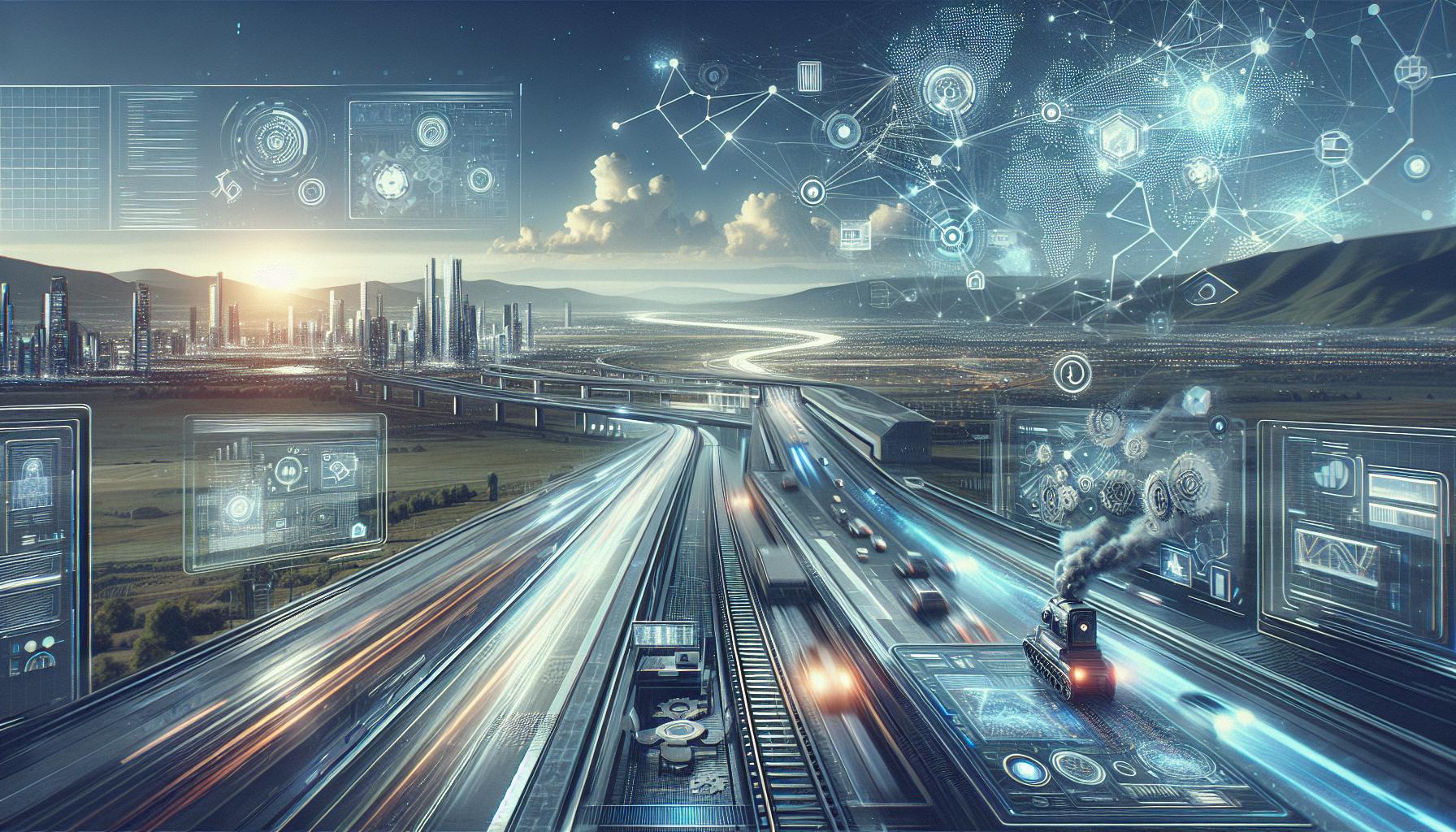
Bridging the Gap: Collaboration Between Human Artists and AI Technologies
Unleashing Creativity Through Collaboration
In the ever-evolving landscape of digital art, the synergy between human artists and AI technologies is transforming the creative process. Artists are no longer solitary creators but rather collaboratives in a new frontier where AI serves as both a tool and a muse. This partnership allows for unprecedented experimentation and inspiration, enabling artists to explore ideas and concepts that might have remained dormant. For instance, using AI prompts for full-body illustrations not only accelerates the workflow but also opens doors to unique styles and perspectives that artists can adapt and refine.
enhancing Artistic Techniques with AI
AI technologies empower artists to focus on the nuances of their craft while automating routine tasks. This technology acts as an assistant that can generate initial drafts or suggest color palettes, freeing artists to concentrate on refining their vision. By leveraging AI-driven tools, artists can:
- Transform ideas into visual reality: AI can generate quick sketches based on prompts, helping artists visualize concepts more rapidly.
- Experiment with styles: Artists can explore a multitude of genres and techniques in a fraction of the time.
- Enhance collaboration: Artists worldwide can share AI-generated illustrations to inspire each other, leading to innovative collective projects.
Real-World Applications and Future Prospects
The implications of integrating AI into the artistic workflow are profound. Collaborative projects are emerging where artists pair their unique talents with AI capabilities. For example, a team of illustrators might utilize AI prompts for full-body illustrations, leading to an eclectic series that marries human emotion with algorithmic creativity. Additionally, the continuous improvement of AI tools means that they will increasingly understand and adapt to artistic language, making them an even more integral part of the creative community.As the technology advances, the future of collaboration between human artists and AI appears limitless. Artists can look forward to enhanced workflows, a broader palette of tools, and the ability to push the boundaries of their creativity. This new partnership not only creates stunning digital creations but also encourages a dialogue about the evolving role of technology in the arts, inspiring the next generation of creators to merge imagination with innovation.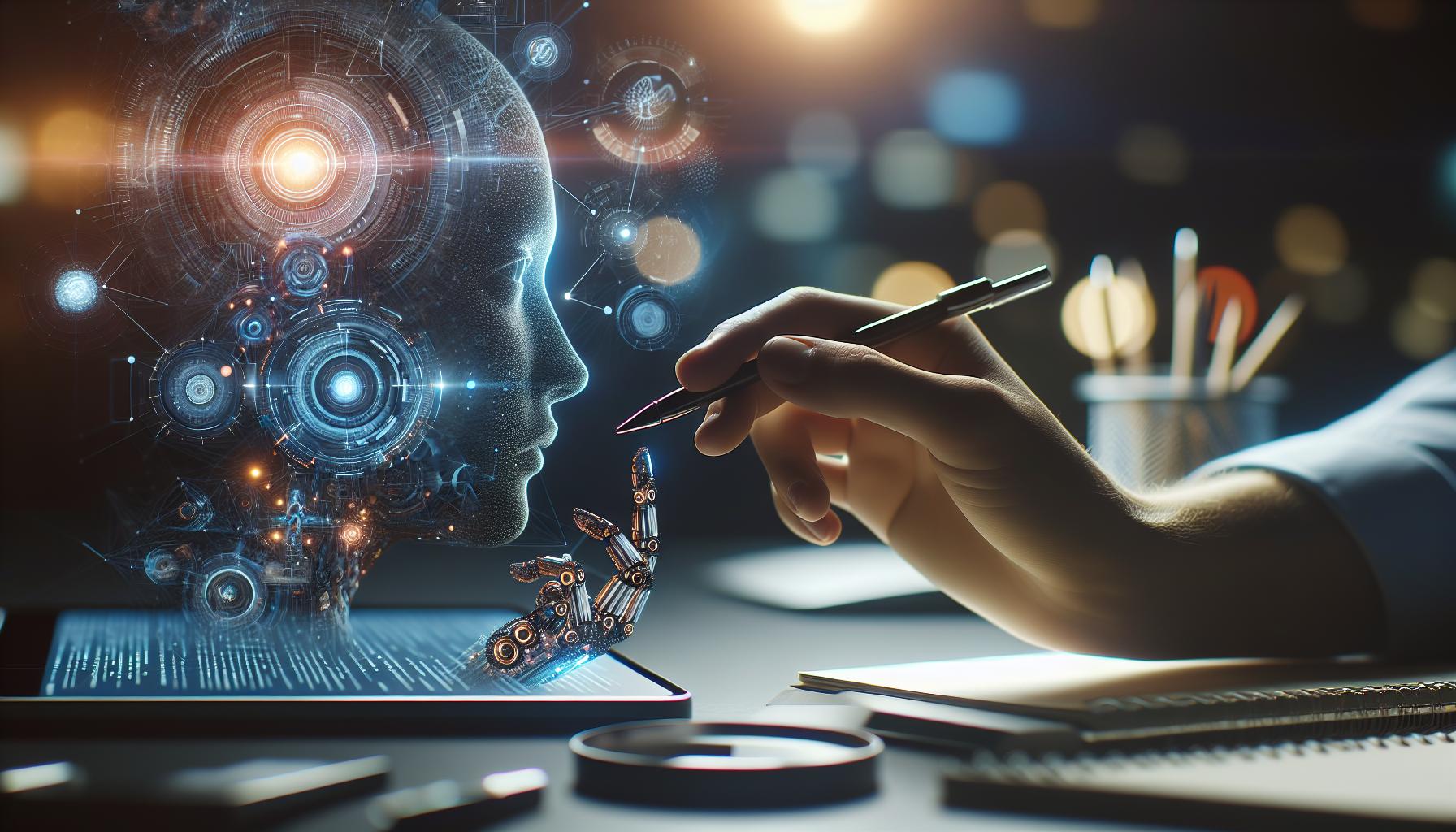
In Retrospect
exploring the realm of AI prompts for full body illustrations opens a gateway to endless creative possibilities in digital artistry. Crafting effective prompts not only enhances the fidelity and detail of AI-generated artwork but also encourages artists to experiment with innovative concepts and styles. As we navigate this technology, it is critical to remain mindful of the ethical considerations surrounding AI’s use in art, ensuring respect for originality and artistic integrity. We invite you to delve deeper into the intricacies of prompt engineering, harnessing both its creative potential and its challenges. Your exploration of this dynamic intersection will foster a richer understanding of how AI can transform the landscape of digital creation, pushing boundaries while cultivating an environment of responsible innovation. Engage with the tools and insights provided,and embark on your journey towards creating stunning digital masterpieces that resonate with both artistry and technological prowess.


